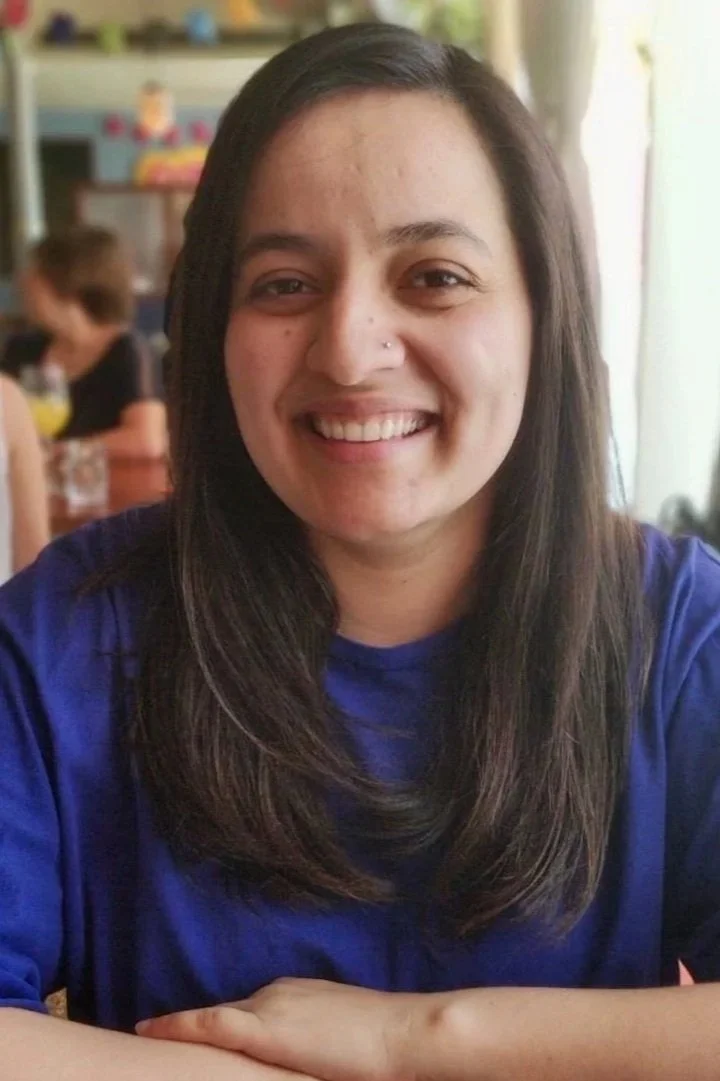
Ntasha Bhardwaj
Founder and
Lead- Suraksha Lens
Ntasha Bhardwaj is a Criminologist with over a decade of experience shaping research and policy on gender, crime, and justice across South Asia, Africa, and the U.S. She is currently building Suraksha Lens, an AI-enabled initiative that maps climate-induced displacement and trafficking risks in South Asia. This project integrates field research, geospatial mapping, and digital surveillance to create early-warning tools for prevention and protection in six high-risk regions across India, Nepal, and Sri Lanka. As Founder of the South Asian Institute of Crime and Justice Studies, Ntasha leads research on gender-based violence, women’s incarceration, and justice reform, while also strengthening regional research capacity through trainings. Previously, she consulted for UN Women and advised India’s Ministry of Women & Child Development during its G20 Presidency on gender equality and protection strategies. Her work has been published in Feminist Criminology, the Journal of Contemporary Criminal Justice, the Journal of Research on Crime and Delinquency, and the European Journal of Criminology. In addition, she has authored op-eds for Swaddle, Scroll, and Groundviews.

Jody Miller
Founding Member & Advisor
Jody Miller is a Fellow of the American Society of Criminology (ASC); Co-Editor of the ASC’s flagship journal, Criminology; and 2017 ASC Vice President. She is Co-Director of the National Science Foundation-sponsored Racial Democracy, Crime and Justice Network (RDCJN) and coordinator of the RDCJN’s Research Experience for Undergraduates initiative. Miller’s research utilizes qualitative methods to investigate how inequalities of gender, race, sexuality and place shape participation in crime and risks for victimization, with concentrations in the United States and South Asia. Her books include Getting Played: African American Girls, Urban Inequality, and Gendered Violence (NYU Press, 2008)—winner of the American Sociological Association’s Race, Class and Gender Section Distinguished Contribution to Scholarship Book Award (2010) and finalist for the C. Wright Mills Award (2009)—and One of the Guys: Girls, Gangs, and Gender (Oxford University Press, 2001).

Mudita Sharma
Data and Tech Lead- Suraksha Lens
Mudita Sharma is a data science and AI/ML professional whose work spans predictive modeling, explainable analytics, and interdisciplinary data interpretation. With a multidisciplinary background, she engages with diverse domains like human-centred issues, technology, policy, and governance. Her interest lies in transforming complex datasets into clear, interpretable insights that support awareness, decision-making, and meaningful societal impact. She has contributed to data-driven projects under central government organisations and has authored numerous publications and book in data science and applied analytics. Her work reflects a commitment to making technical knowledge accessible and grounded in the real-world contexts it aims to inform. Beyond data science, Mudita has a strong interest in neuroscience, emotional intelligence, and human well-being, which shape her understanding of how people interpret information and make decisions. She has engaged in community-focused initiatives and learning experiences that deepen her perspective on the social impact of data and technology.
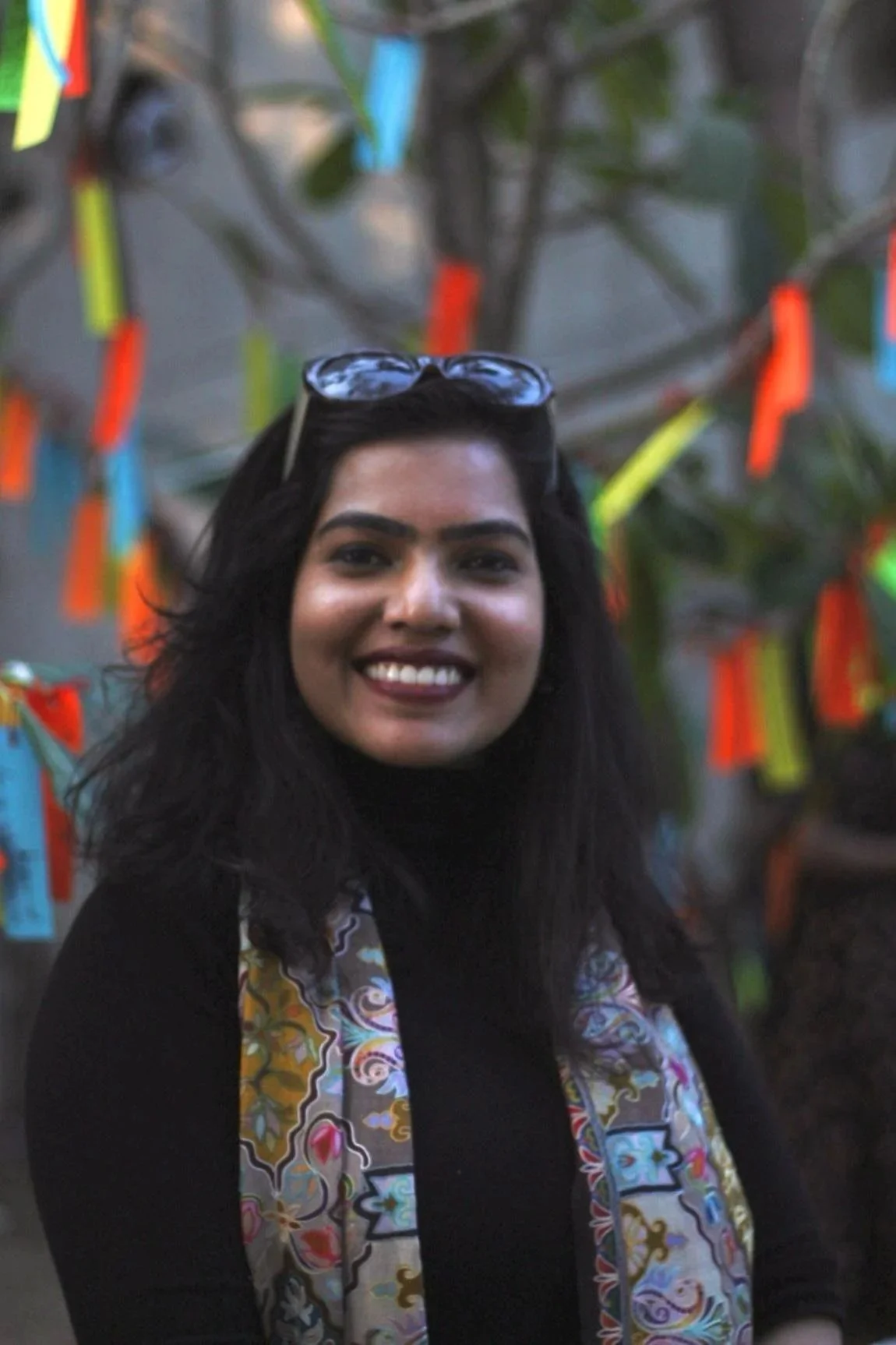
Aanchal Modani
Research and Implementation Lead-Suraksha Lens
Aanchal Modani is a social work researcher and gender-based violence specialist with a doctorate from the Silver School of Social Work, New York University, specialising in qualitative methods that examine violence, marginalisation, and help-seeking behaviour among vulnerable populations. Her approach is multidisciplinary — grounded in a Master's in Clinical Psychology, she brings trauma-informed research skills to her work, centring the experiences of survivors in how questions are asked, data is gathered, and findings are translated into action. Her research focuses on barriers and facilitators in service access and community engagement. She has previously consulted for The George Institute for Global Health on the multi-country GRACE project across India, Indonesia, South Africa, and Kenya. Her work has been published in the Community Mental Health Journal and the Handbook on Sex, Gender, and Health: Perspectives from South Asia, and presented at the Sexual Violence Research Initiative Forum and the Society for Social Work and Research Annual Conference. She is a recipient of the NYU Urban Doctoral Fellowship and a grantee of the NYC Reducing Inequality Network. Outside of research, Aanchal tends to her garden, delights in spotting new birds wherever she goes, and spends her time with her cats and her six-month-old son.